
Choosing between online school vs traditional school in West Virginia can feel overwhelming for families. Both offer unique benefits and challenges, but for students who are struggling in a traditional classroom, whether due to bullying, distractions, or scheduling conflicts, an online option may be the right fit. At Virtual Preparatory Academy, students can explore a flexible and supportive online elementary school, transition smoothly into a tailored online middle school experience, and prepare for their future through a college- and career-ready online high school program. Each stage is designed to provide the safety, structure, and personalization your child needs to thrive.
Advantages of Online Schools in West Virginia
Families choose online learning for many reasons, but one of the biggest advantages of online school in West Virginia is the adaptability it offers. Students can learn from the comfort and safety of home, creating a schedule that works around their unique needs from managing health concerns to pursuing extracurricular activities.
Personalized learning is another key benefit. In an online setting, teachers can adapt lessons to match each student’s strengths, challenges, and pace. This means students who need extra time in certain subjects can get it, while those who are ready to advance can move ahead without waiting for the whole class.
Online education also helps families save on transportation and other school-related expenses, making it a practical choice as well as a personal one. At Virtual Preparatory Academy, our supportive team and easy-to-use platform ensure that parents and students feel confident from day one. You can see exactly how online learning works and decide if it’s the right fit for your family.
Advantages of Traditional Schools
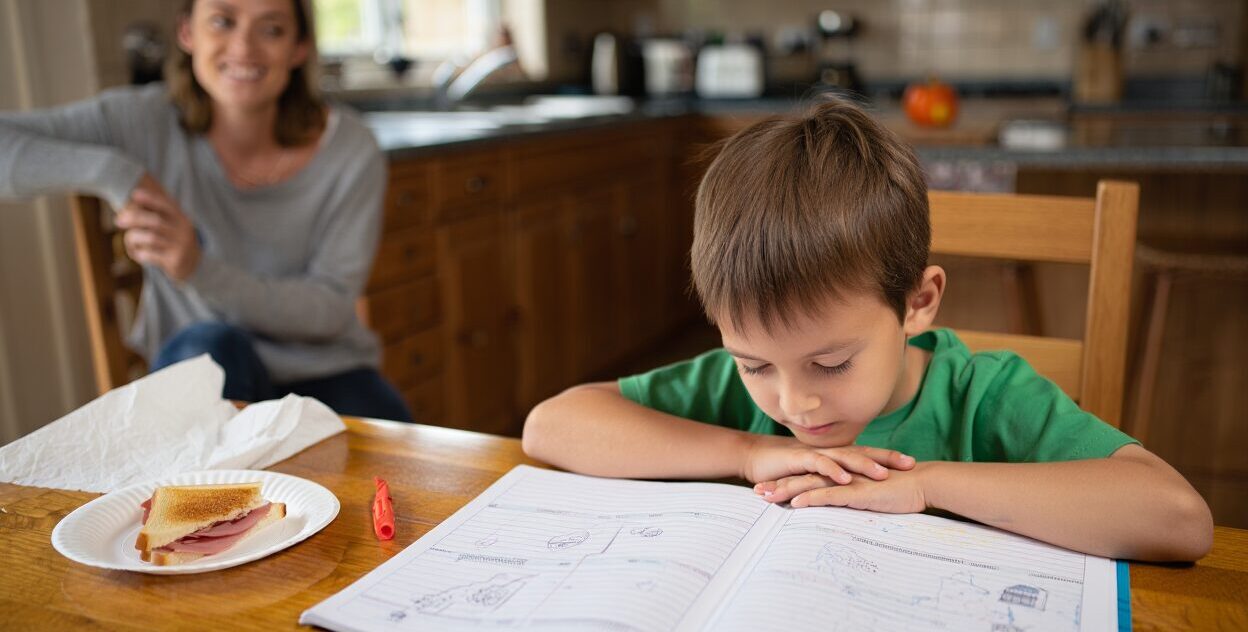
While online learning offers flexibility and personalization, many families still appreciate the advantages of traditional school in West Virginia. In-person schools provide daily face-to-face interaction with teachers and peers, which can help students build strong social skills and make lasting friendships. Group projects, class discussions, and spontaneous conversations in hallways all contribute to a sense of belonging that helps some students thrive.
Traditional schools also give students access to on-campus resources like science labs, gyms, libraries, and art studios. These facilities can enrich the learning experience and expose students to hands-on opportunities that may be harder to replicate online. In addition, participation in sports teams, music ensembles, and student clubs often comes naturally in a traditional setting, giving students ways to explore their interests and passions beyond academics.
For some learners, the structure of a set daily schedule can help them stay organized and focused. Having a consistent start and end time, as well as direct oversight from teachers, creates a framework that keeps students on track and engaged. While every child is different, traditional schooling can be an excellent choice for those who benefit from in-person connection, consistent routines, and access to physical resources.
Challenges in Online and Traditional Learning
Both online and traditional schools have their strengths and weaknesses. When looking at challenges of online and traditional learning in West Virginia, parents often find that some hurdles are shared, while others are unique to each setting.
For online students, technology can be a double-edged sword. While it enables flexibility and personalized instruction, technical issues like poor internet connectivity or device malfunctions can disrupt the learning day. Another common concern is reduced in-person social interaction, which can make it important for families to seek out extracurricular activities or community programs to keep students connected with peers.
In traditional schools, it’s easy to socialize, but that’s not always a positive experience. Bullying, peer pressure, and classroom distractions can make it hard for some students to focus or feel safe. Not only that, but for those families who may have a longer commute, they may find less time for rest or extracurricular activities.
Understanding these potential challenges in both environments can help families make an informed decision about which option best supports their child’s academic success, emotional well-being, and overall happiness.
Making the Right Choice
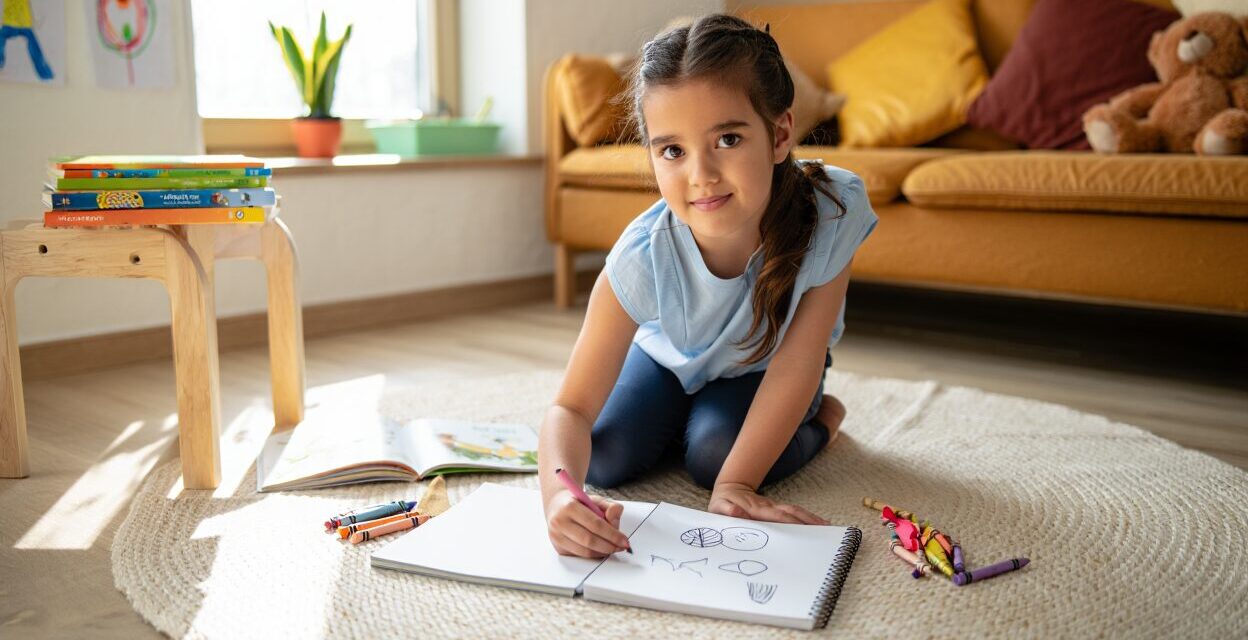
When it comes to choosing between online and traditional school in West Virginia, there’s no one-size-fits-all answer. The right choice depends on your child’s unique learning style, needs, and goals. Start by considering how your student learns best. Do they thrive in structured, face-to-face environments, or do they excel when given the personalization to learn at their own pace?
Think about their future plans as well. College-bound students may need access to advanced coursework, while those with specific career interests might benefit from specialized electives. Traditional schools may not have the right courses offered, which could inhibit your child’s future goals.
It’s also important to evaluate their current school experience. If they’re facing low grades, anxiety, or bullying, a change to a safe, personalized environment may be the right move.
Virtual Preparatory Academy makes transferring simple and stress-free. Learn more about our admissions process and see if a fresh start could benefit your child by visiting our West Virginia Virtual Prep admissions page.
Frequently Asked Questions
It’s not easy to determine the best path for your child. Here are answers to some common questions to help you determine the best way forward for your family.
What are the main benefits of online schools?
Online learning environments offer personalized learning plans, a safe learning environment free from bullying and distractions, and adaptable schedules to fit your lifestyle. Students can learn from home while still meeting state education requirements.
How does traditional schooling differ from online schooling in terms of interaction?
Traditional schooling provides daily in-person contact with teachers and peers, while online schooling uses virtual classrooms, video calls, and discussion boards to foster connection.
Is online schooling more cost-effective than traditional schooling?
Yes, many families save money on transportation, uniforms, and school meals with online schooling. It’s also tuition-free when attending a state-accredited online public school.
How does flexibility vary between online and traditional schools?
Online schools allow students to work at their own pace and set schedules that fit their lives, while traditional schools follow a fixed daily timetable.
What factors should I consider when choosing between online and traditional school?
Consider your child’s learning style, social needs, academic goals, and current school experience. Also, think about your family’s schedule and any unique circumstances that may better fit an online learning environment.